Parks Are Infrastructure: Designing Beyong Opening Day

Parks are often described as amenities. Places to play, gather, exercise, connect with nature, and build community. But describing them only as amenities misses an important part of the conversation:
Parks are infrastructure.
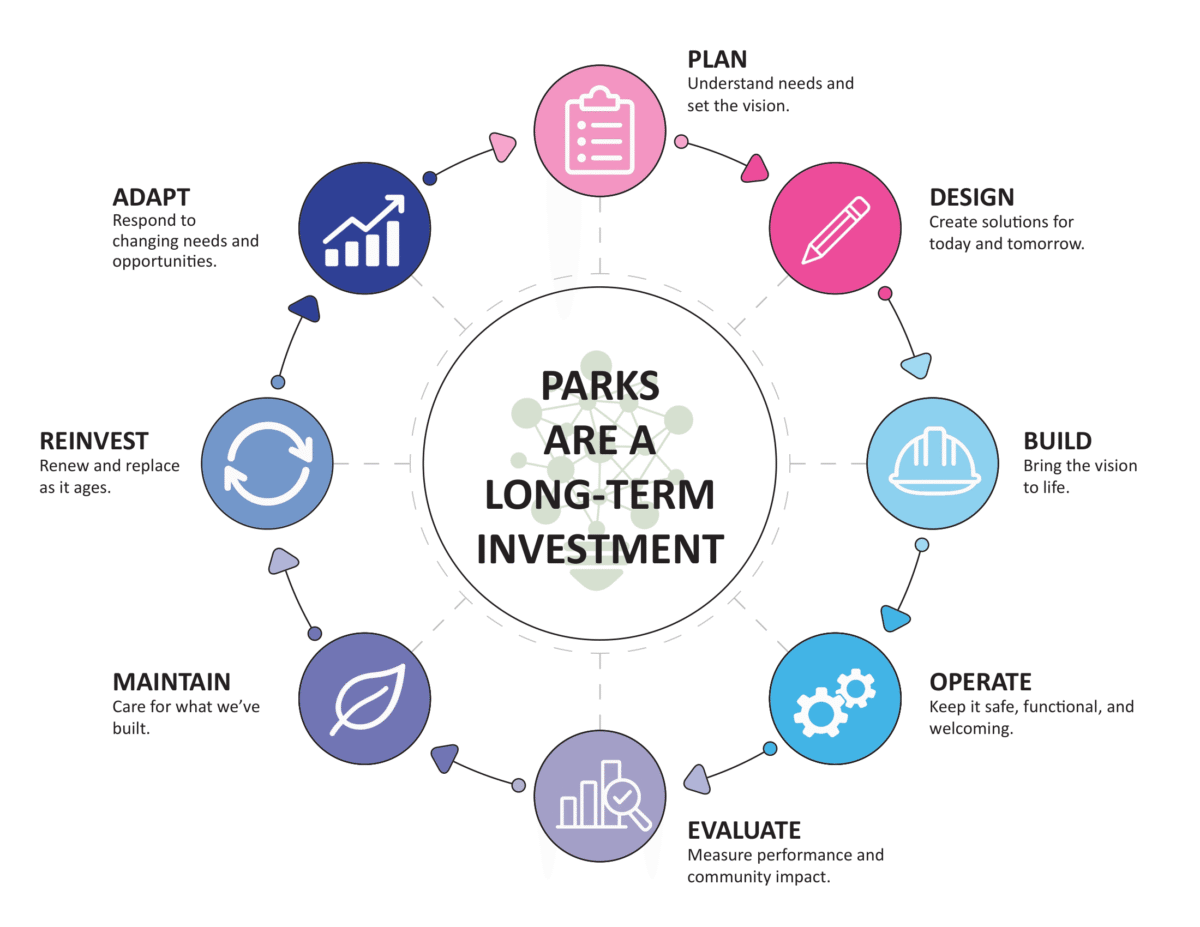
Like streets, utilities, drainage systems, and public facilities, parks are long-term public investments. They require funding to build, resources to operate, people to maintain them, and reinvestment as they age.
Which means our responsibility as planners and designers can’t end at opening day.
We have to ask a longer-term question: What will this place need to keep serving its community five, ten, or twenty years from now?
Start With What the Community Actually Needs
Before asking what we can fit into a park, we should ask a better question: What does this community need this place to do?
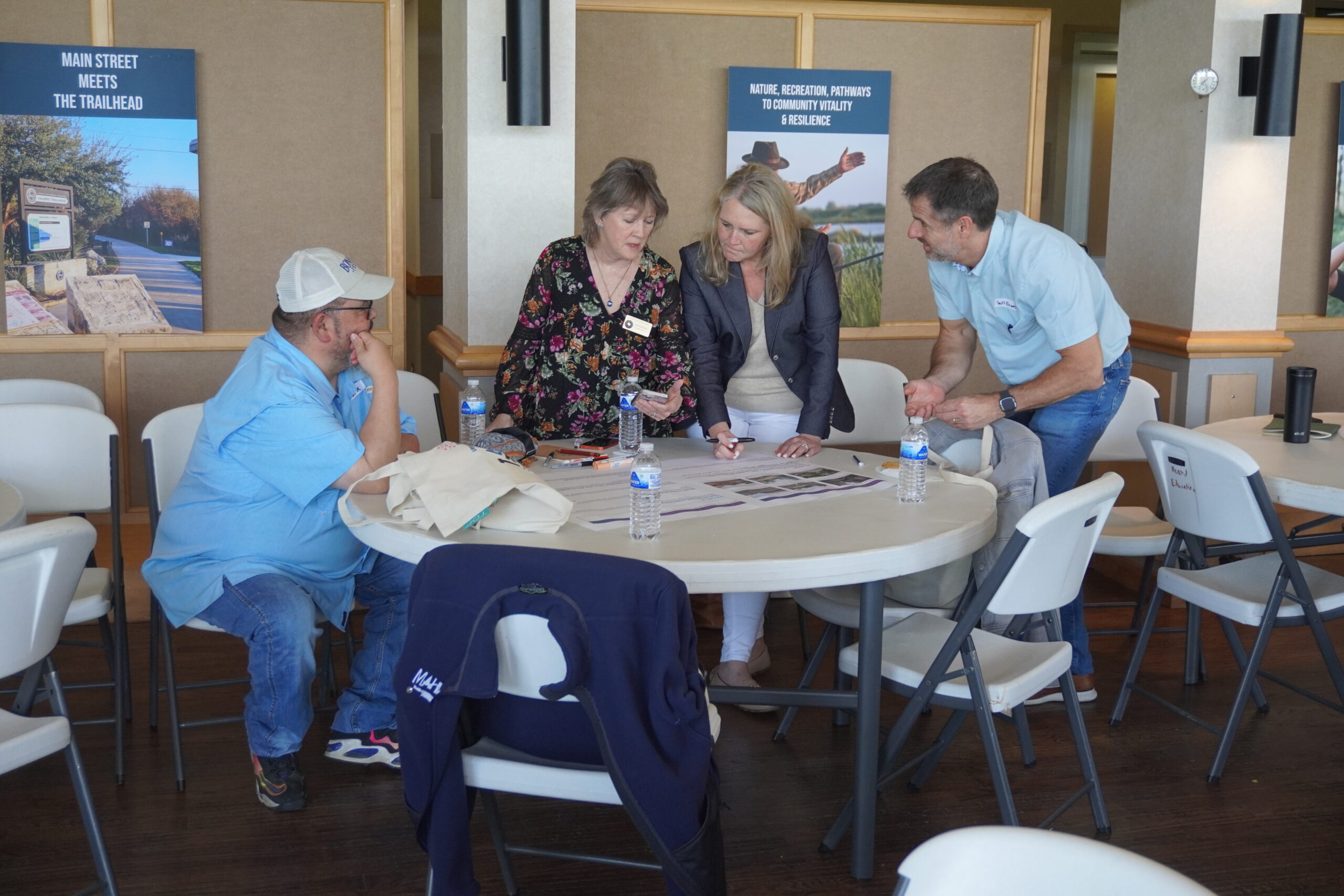
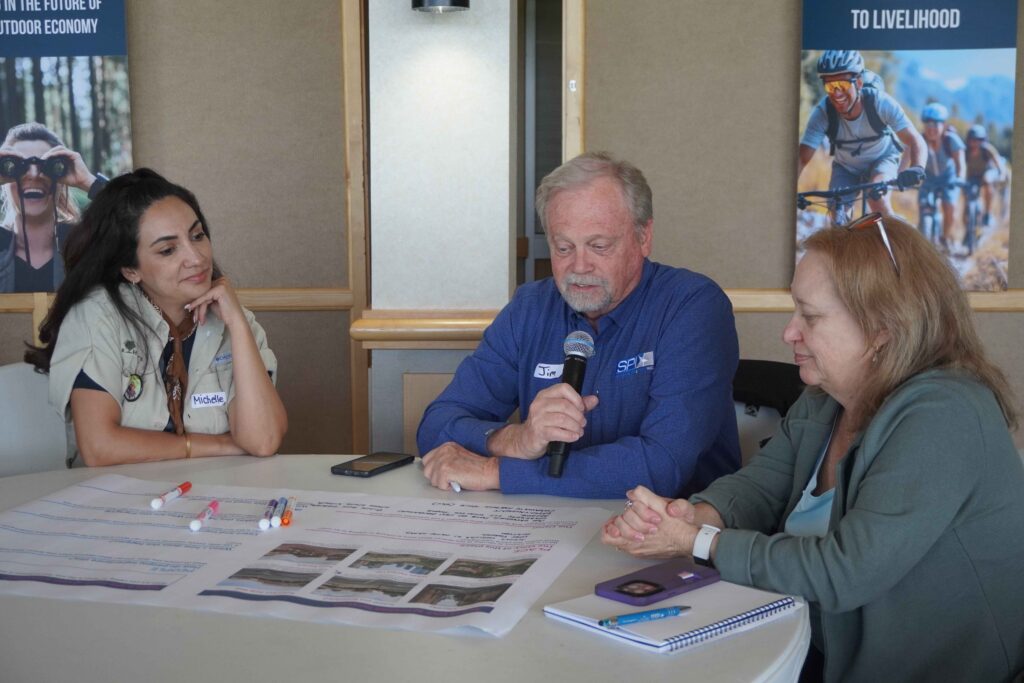
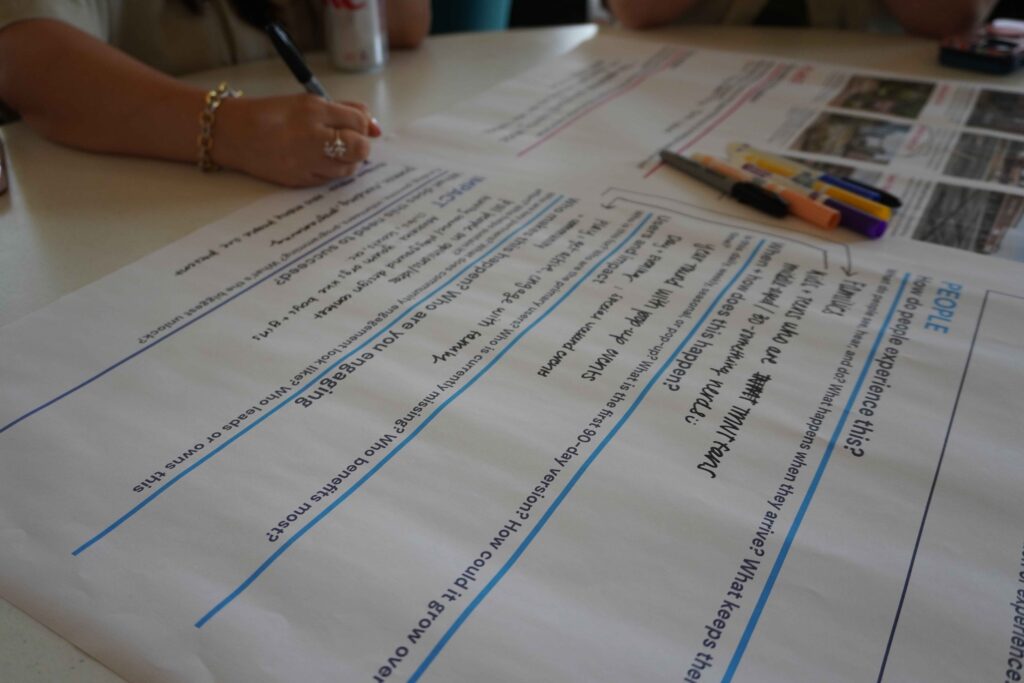
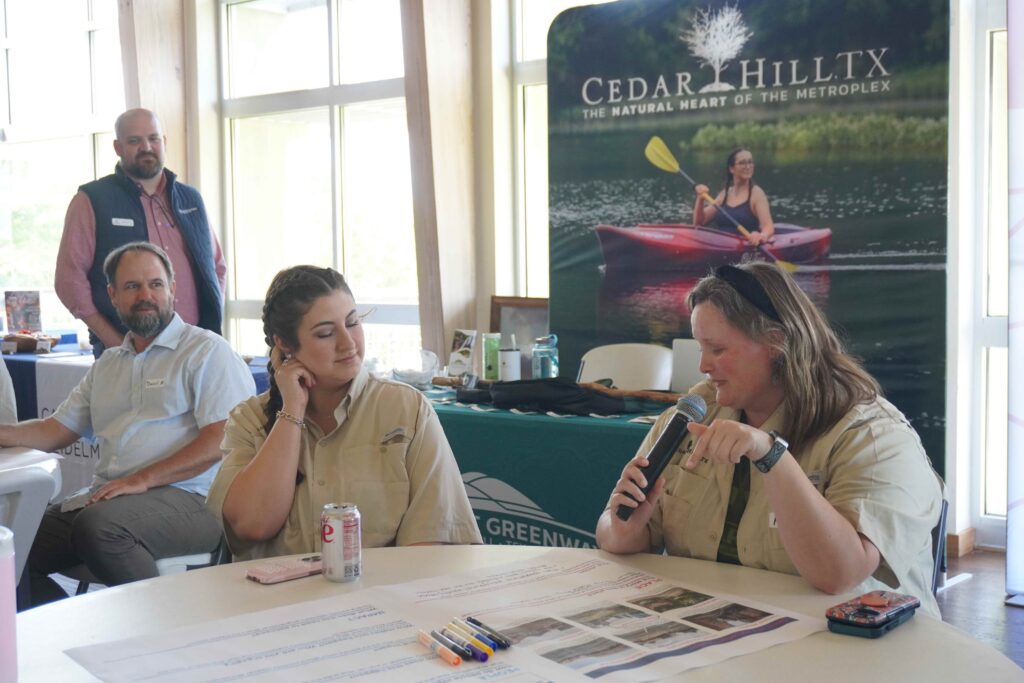
That’s where master planning and meaningful community engagement become critical. The people who will use, operate, maintain, and invest in a space all hold pieces of information the design team needs. An impressive facility that does not respond to a real need is not necessarily a good investment, regardless of how well it is designed.
The vision can, and should, be ambitious. But it also needs to reflect how people will actually use the space and what the community is prepared to support over time.
A trail, neighborhood park, community garden, athletic complex, and regional destination park all create different expectations. They require different levels of staffing, maintenance, equipment, partnerships, and investment.
Understanding those realities early allows the vision to grow from a strong foundation rather than forcing the owner to solve operational challenges after construction.
Nothing Is Maintenance-Free
“Low maintenance” is a phrase we hear often in public projects.
But nothing is maintenance-free.
Every tree will grow. Every material will weather. Every irrigation system will eventually need repair. Pavement will move. Furnishings will fade. Plants will need care.
Good design does not eliminate maintenance. It makes maintenance more intentional, predictable, and manageable.
My experience managing municipal right-of-ways reinforced this repeatedly. A tree planted too close to a streetlight may not create a problem on opening day. Ten years later, its canopy can obscure the light and require ongoing pruning. A shrub specified at the wrong mature size can obstruct sight lines. Trees forced into undersized planting areas can contribute to pavement movement and future trip hazards.
Even the space between improvements matters. If a mower cannot comfortably maneuver between a planting bed, tree, and curb, what appears to be a minor design decision can create an ongoing maintenance challenge.
In a right-of-way environment, it can also become a safety issue. Every additional task we create near moving traffic means additional time a maintenance crew member has to spend in a potentially dangerous environment.
Every maintenance requirement we design into a public space eventually becomes a task someone has to perform.
That person should be part of our thinking from the beginning.
Design for What The Park Becomes
Landscape architecture is unique because much of what we design is alive.
The landscape on opening day is not the finished landscape.
Restraint can be important. Rather than overcrowding a planting area so that it appears full immediately, we can give plants the space they need to reach their intended mature size. Native and adapted species can be selected based not only on their ability to survive our climate, but also on whether their mature form actually fits the space.
If a shrub naturally wants to grow to eight feet tall, specifying it in a location where it must constantly be maintained at three feet creates a permanent maintenance obligation.
The same long-term thinking applies to materials.
Wood accents, specialty finishes, colorful furnishings, and other design elements can create character and identity, but Texas sun and weather are unforgiving. Colors fade. Wood weathers. Materials age.
That does not mean we should avoid them. It means we should be honest about how they will perform and what will be required to maintain the intended aesthetic.
Plant selection deserves similar consideration. Leaf and fruit drop may be perfectly appropriate in one location but problematic immediately adjacent to a trail, sidewalk, or storm drain.
Good landscape architecture doesn’t design for the photograph on opening day. It designs for how a place grows, ages, performs, and is cared for over its entire life.
Use Technology to Make Park Planning and Maintenance Smarter
Designing for longevity doesn’t always mean designing less. Sometimes it means designing smarter, with the right investments into technology.
While managing municipal right-of-ways, we upgraded our irrigation network with cellular-connected remote monitoring and flow sensing. With limited staff responsible for a large system, abnormal flow alerts helped us identify potential leaks, breaks, or other issues and narrow the problem before sending a crew into the field. The technology required an upfront investment, but significantly reduced the time staff spent locating problems and allowed us to manage a large system with limited resources.
Treating landscapes as infrastructure means considering not only what systems cost to install, but how efficiently they can be operated for years afterward.
Every Amenity Comes With Supporting Needs
Amenities rarely come as single line items. For example, a sports field also requires access, parking, accessible routes, maintenance equipment, and potentially restrooms, drinking water, irrigation, lighting, staffing, and specialized maintenance.
Each program decision creates subsequent needs. Understanding those relationships early gives the owner a more realistic picture of both the capital investment and the operational commitment.
For more complex facilities, that conversation should also include who will operate them, whether specialized expertise is needed, whether partnerships make sense, and whether cost recovery is expected.
Plan for the Full Cost of Ownership
Cities already understand this concept with other infrastructure. Roadways are resurfaced. Water lines are replaced. Vehicles and equipment have replacement schedules.
But the responsibility starts well before replacement. Every new piece of infrastructure also creates an ongoing operating and maintenance commitment.
When I worked on the municipal side, as new miles of infrastructure came online, we understood the annual maintenance cost associated with taking them over, whether the work would be performed by in-house staff or through contracted services. That allowed the corresponding O&M needs to become part of the conversation as the capital project was completed.
Parks and recreation infrastructure should be planned the same way. And the operational reality is significant. According to the 2026 NRPA Agency Performance Review, the typical park and recreation agency has an estimated $1 million in deferred maintenance projects, with an average of 45% of staff dedicated to operations and maintenance.
A new park, trail, or recreation facility creates an annual commitment from the day it opens and a future capital commitment as its components reach the end of their useful lives. Playgrounds, trail surfaces, irrigation systems, athletic facilities, lighting, and site furnishings will all eventually require repair, rehabilitation, or replacement.
The cost of a public space does not end when construction does.
Phase Intentionally
A community’s vision for a park may be much larger than the funding available today.
That is okay.
A strong master plan can maintain the long-term vision while allowing construction to occur responsibly over time.
Phase One does not necessarily have to feel complete, but it should feel intentional.
A loop trail can be completed while providing a logical connection for a future extension. A temporary turnaround can function today while clearly anticipating the roadway that will continue in a later phase.
And sometimes the most important early investments are the ones visitors never see.
Utilities, grading, drainage, and other foundational infrastructure should be located and sized with future phases in mind. Spending limited Phase One dollars on another visible amenity may be tempting, but not if that decision requires infrastructure to be relocated or reconstructed when Phase Two arrives.
Good phasing protects the vision without compromising the future.
Success Is What Happens Years Later
Ultimately, we are designing spaces for people.
Twenty years after a project opens, success is not measured by whether everything looks exactly as it did at the ribbon cutting. Landscapes mature. Materials weather. Communities change.
The more important question is: Are people still using it?
A successful public space becomes something a community takes ownership of. It might be a neighborhood park residents advocate for, a community garden people care for, a trail that becomes part of someone’s daily routine, or a regional park that becomes part of a city’s identity.
At Urban Alchemy Collective, designing beyond opening day means creating places that can mature, adapt, and continue serving their communities over time.
Because the measure of successful public infrastructure is not simply that we built it. It is that years later, people still care that it is there.
If your community would benefit from a new park planning project, learn more about our landscape architecture services, or get in touch with the Urban Alchemy Collective team today.